Summer 2026 (Volume 36, Number 2)
Road to Peer Mentorship
By Mollie Carruthers, MD, FRCPC; Raheem B. Kherani, MD, BSc (Pharm), FRCPC, MHPE;
Diane Lacaille, MD, PhD, FRCPC; Greg Koller, MD, FRCPC; Kamran Shojania, MD, FRCPC;
and Shahin Jamal, MD, FRCPC
Download PDF
Mentorship plays an essential role in rheumatology, a field characterized by the management of complex, chronic, and often ambiguous conditions. These clinical demands, combined with the need to build long-term patient relationships, can be deeply rewarding but also contribute to early career burnout. In this context, mentorship provides important support. Experienced colleagues can help early-career rheumatologists navigate clinical uncertainty, explore opportunities in leadership, research, and education, and develop strategies for maintaining balance and sustainability in their professional and personal lives.
In 2020, the University of British Columbia (UBC) rheumatology division launched a peer mentorship program under the leadership of Dr. Mollie Carruthers, with support from Drs. Shahin Jamal, Raheem Kherani, Greg Koller, Diane Lacaille, and Kam Shojania. From the outset, the program was designed with a deliberately broad scope. Rather than focusing solely on academic productivity, it recognized the diverse career paths within rheumatology, including clinical practice, research, education, administration, and advocacy. Equally important was the acknowledgment that personal well-being—such as family life, hobbies, and physical health—is integral to long-term professional fulfillment.
Central to the program’s design was a thoughtful and individualized matching process. Mentor-mentee pairings were based not only on shared professional interests, but also on personality, communication style, and lifestyle considerations. This approach aimed to foster meaningful and sustainable relationships. In addition, the program emphasized a collaborative model of mentorship. Unlike traditional hierarchical structures often seen in training environments, this initiative positioned both participants as active contributors, encouraging reciprocal learning and mutual support.
The implementation process began with the identification and recruitment of experienced rheumatologists to serve as mentors. A list of participating mentors was then distributed to interested mentees, who were asked to rank their top three preferences. The organizing committee subsequently reviewed all submissions and determined pairings, drawing on their collective institutional knowledge across clinical, educational, and research domains. Particular attention was given to aligning each mentee’s goals and areas for growth with mentors best suited to support their development.
The pilot phase of the program demonstrated strong engagement and positive outcomes. Between July 1, 2021, and July 1, 2022, a total of 46 one-on-one meetings were conducted, each approximately one hour in duration and held either in person or via videoconference. Participant feedback highlighted increased collegiality and a greater sense of professional connection, with many individuals reporting that they had developed a trusted relationship to support them through challenging situations. Subsequent funding from Vancouver Coastal Health enabled further expansion, adding 16 additional mentorship encounters.
Building on this success, the program was expanded across British Columbia in April 2025 with approval from the Specialist Services Committee. Approximately 30 participants were included in this phase, and the matching process was repeated using the same structured approach. Notably, both mentors and mentees received compensation for their time, reinforcing the program’s commitment to recognizing mentorship as a valued and legitimate professional activity.
Key lessons learned include:
1. Structure is critical—careful matching and clear expectations were central to the program’s success.
2. Peer mentorship is most effective when framed as a partnership rather than a hierarchy, allowing for bidirectional learning.
3. A broad conceptualization of mentorship—encompassing both professional development and personal well-being—enhances relevance and sustainability.
4. The use of institutional knowledge enabled high-quality matches that would not have been achievable through self-selection alone.
5. Protected time and compensation supported consistent participation and signalled the importance of mentorship.
6. Beginning with a pilot phase allowed for iterative refinement prior to broader implementation.
Overall, this experience underscores that effective peer mentorship at scale requires intentional design, organizational support, and ongoing evaluation (Figure 1). As the program continues to evolve, it offers valuable insights into how structured peer relationships can foster professional growth and strengthen community within rheumatology.
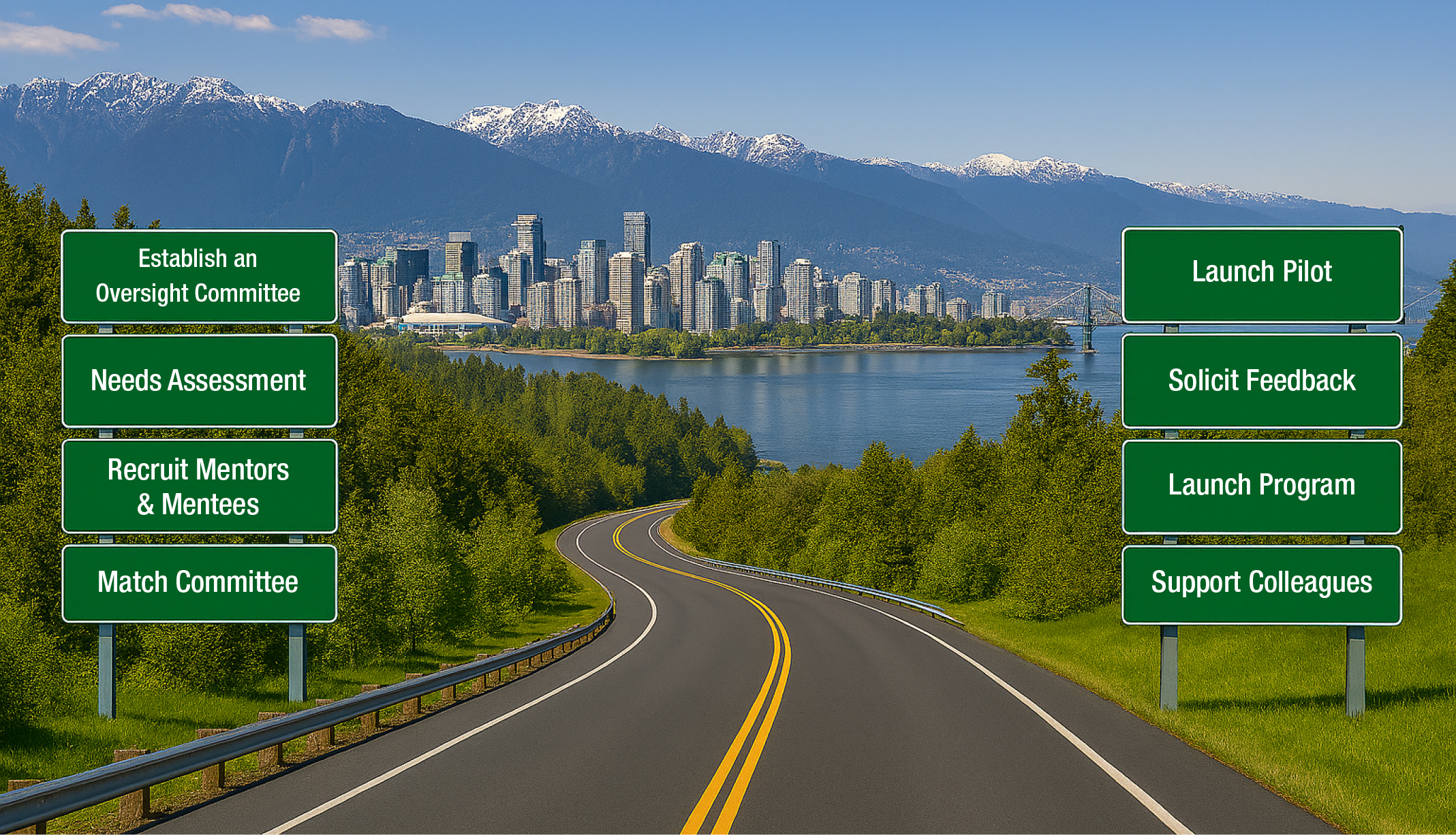
Figure 1: The peer mentorship roadmap (created with Microsoft Copilot).
Mollie Carruthers, MD, FRCPC
Clinician Investigator, Arthritis Research Canada
Clinical Associate Professor, Rheumatology
University of British Columbia
Raheem B. Kherani, MD, BsC (Pharm), FRCPC, MHPE
Clinical Associate Professor, Rheumatology
University of British Columbia
Diane Lacaille, MD, PhD, FRCPC
Scientific Director, Arthritis Research Canada
Professor, Rheumatology,
University of British Columbia
Greg Koller, MD, FRCPC
Clinical Instructor, Rheumatology
University of British Columbia
Kamran Shojania, MD, FRCPC
Head, Mary Pack Arthritis Program
Clinical Professor, Rheumatology
University of British Columbia
Shahin Jamal, MD, FRCPC
Clinician Investigator, Arthritis Research Canada
Clinical Professor, Rheumatology,
University of British Columbia
|
-EN-v2.gif)

-EN-v1.gif)