Fall 2026 (Volume 36, Number 3)
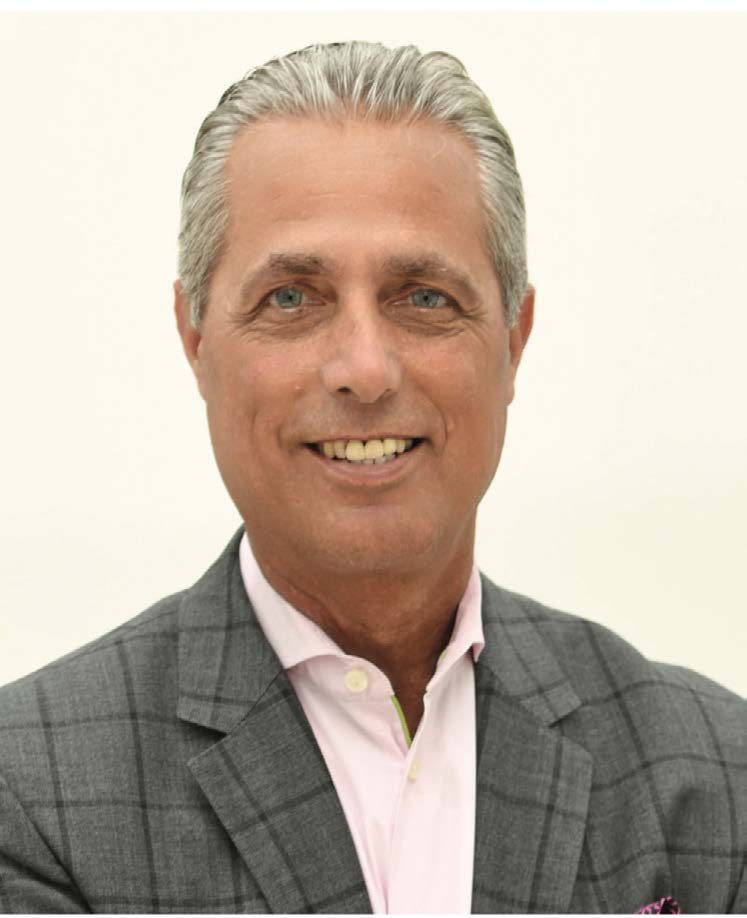
Patient Perspective: Jeff Aarssen
Download PDF
It is February 1980, and I am in my final year at Western University. I wake up basically paralyzed, and I am rushed to the hospital. After a couple of days I am released on treatment with anti-inflammatories. The initial diagnosis is an attack of bursitis. I return to school, and since I was a runner at the time, I conclude that I could “run it off” and I started to run even more . . . upwards of 40-50 miles per week. This bit of self-diagnosis is not prudent and by August 1980 the pain, swelling and stiffness return with a vengeance, and I am officially diagnosed with rheumatoid arthritis (RA).
At the time I was incredulous that a 21-year-old student-athlete could even get RA. There was no history of it in my family, I had not suffered any type of traumatic injury, and I had not had any type of virus or illness prior to its onset. Perhaps the most disturbing news shared with me by my general practitioner (who actually diagnosed me) was that I would likely be in a wheelchair by the time I was 30. Hooray for a positive bedside manner! That comment he shared with me, however, actually provided me with a personal mission to never let that happen. I was set firmly on a course to not let RA defeat me.
A month later I was hospitalized for 4 weeks to try to cool down my 58 inflamed joints. Literally, with daily ice baths, compresses, high-dose acetylsalicylic acid and other anti-inflammatories.
Needless to say, at the time I was bitter, and I am sure I was clinically depressed. Imagine the thing you most enjoy in life (in my case participating in sports) being taken away from you. It was a gut punch. I struggled with depression, anxiety, and worries about the future. What kind of life would I be able to live, and what restrictions would I have in terms of activities? However, once I fought through some of the darker days, and decided to “beat RA” it made all the difference in the world. My mental attitude was a game changer.
From those early days I was able to stay up to date with all the relevant treatments of the day, graduating from coated aspirin to chloroquine, gold shots, prednisone, methotrexate and, finally, biologics.
As you think back to 1980 and the limited arsenal we had to fight RA compared to today’s more effective treatments, it really does give you hope.
I have had RA for over 45 years. I have had 7 orthopedic surgeries along the way to correct deformities in my hips, knees and feet, and I have been hospitalized three separate times due to flare ups. In spite of all of that, I have been very lucky—I was able to enjoy a 39-year career with the same company which accommodated my needs at every turn.
In my retirement now, I enjoy playing over 100 rounds of golf each summer; I attend fitness classes twice each week; I do all of my own yard work and landscaping; I enjoy activities with my grandchildren; I travel fairly extensively, and I still fight the fight for the Arthritis Society and the Canadian Rheumatology Association Foundation. That is a long way from being confined to a wheelchair.
A simple phrase I heard a long time ago has kept me positive and moving forward. “Without hope in the future, there can be no power in the present.” The great news is that I am a living example over my 45-year journey with RA that there is tremendous hope in the future thus giving power in the present.
I would like to take this opportunity to express my gratitude for the tremendous support of all the medical practitioners I have had in my journey (it takes a village as they say). In particular, I have had two rheumatologists for 36 of my 45-year battle with RA who have helped me immensely and they are Dr. Hani El-Gabalawy in Winnipeg and Dr. Janet Pope in London for the past 28 years. They have been remarkable allies and practitioners.
Jeff Aarssen
Patient Advocate
|