Fall 2025 (Volume 35, Number 3)
Not Just a Hand-Off: Rethinking Transition in Rheumatology
By Michelle Batthish, MD, MSc, FRCPC; and Karen Beattie, PhD
Download PDF

The period of transition from pediatric to adult care is critical for youth with rheumatic diseases. Far from being a single hand
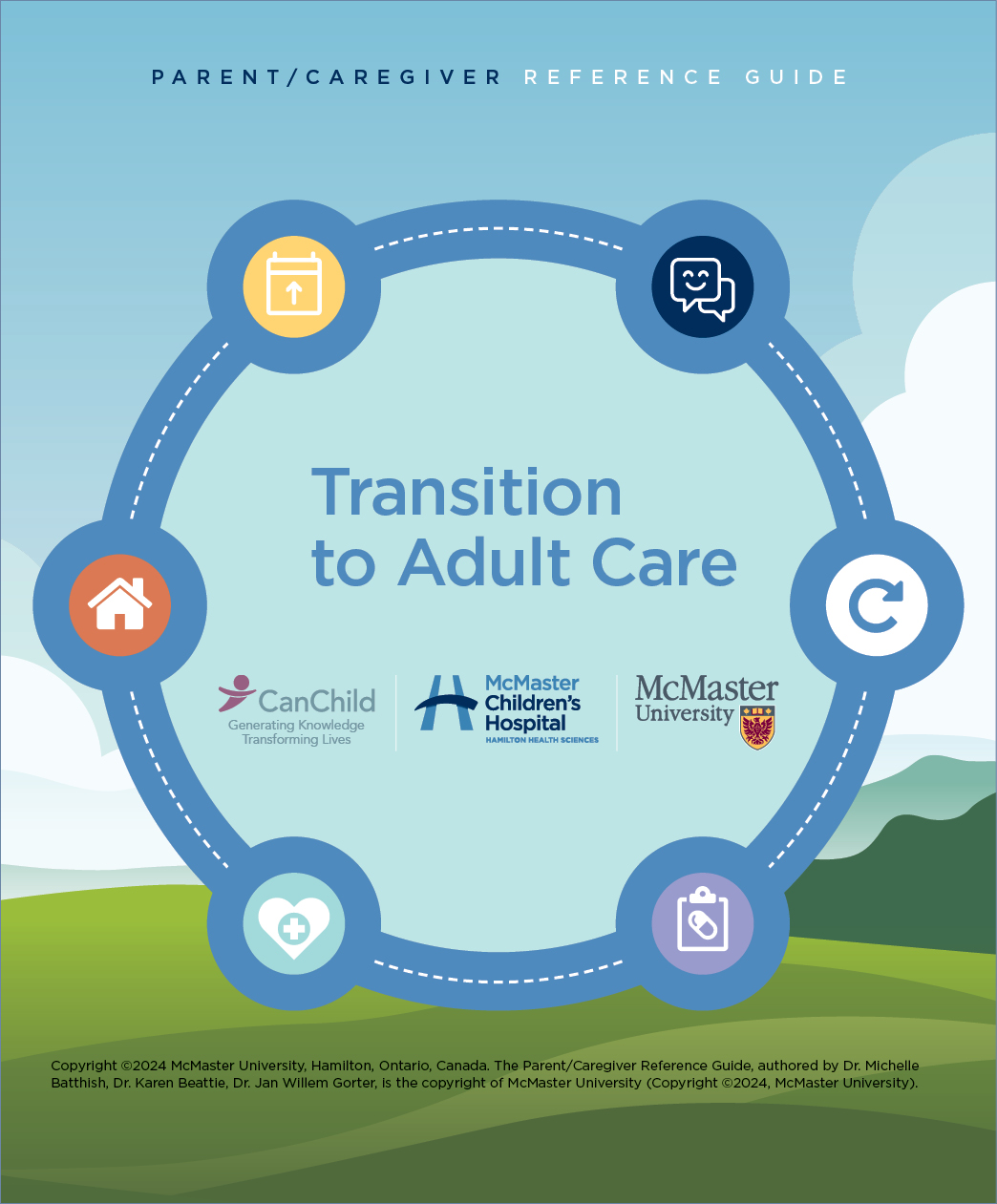
off, transition is best understood as a process that includes preparation in pediatric care, the transfer itself, and the period of adjustment within adult care. At each stage, youth face risks of care disruption, adverse health outcomes, and psychosocial strain. This transition coincides with the timing of critical brain development and maturation and significant life changes, including commencing post-secondary school, moving away from home and changes in social environments. It’s critical to understand that this period of high vulnerability puts youth with rheumatic disease at risk of poor health management and outcomes.
Preparing for Transfer: Transition Readiness
Preparation is the cornerstone of successful transition. Yet evidence suggests that many youth feel ill-equipped to manage their health independently when they leave pediatric care.1 Assessing transition readiness, whether formally2 or informally, is important in determining how competent and confident youth are managing medications, scheduling and attending appointments, and navigating health systems. Notably, readiness must be assessed on an individual basis given the variability in skills within youth of similar ages.3,4 Involving parents/caregivers in discussions about independence and self-management skills is important given that their perceptions of readiness may be different from the youth.5
To support both youth and their parents/caregivers in preparation for transition, co-designed resources are valuable to support skill-building and self-management.6 Allied health professionals can play important roles in supporting the readiness of youth for the expectations of the adult healthcare setting.
The Point of Transfer: Preventing Loss to Follow-Up
Even with careful preparation, the transfer itself often represents the most vulnerable point in the continuum of care. Studies consistently show that a significant proportion of youth disengage from care after leaving pediatrics, with reported rates up to 50% loss to follow-up within two years.7 For patients with rheumatic diseases, potential serious consequences include flares, irreversible damage, and poor long-term outcomes. The role of transition coaches or peer navigators may help provide individualized support to address practical challenges (such as system navigation) and emotional barriers (such as anxiety about new providers). A much lower loss to follow-up rate (~20%) was recently reported in a clinical setting where youth regularly met with their pediatric and adult rheumatologists together, and where the youth regularly discussed their self-management skills and set goals for improvement.8
After Transfer: Adjustment and Mental Health
Challenges associated with transition extend well beyond the first adult appointment and are compounded by the need to manage a lifelong condition within a new and often fragmented health system. It is no surprise that these youth experience significant mental health burdens during this period, as shown by the prevalence of anxiety, depression, and social isolation in this population.9-11 These rates tend to be higher than in peers without a chronic disease. These insights point to the need to integrate aspects of psychosocial and mental health support into routine care. Adult rheumatology teams must be attentive not only to disease activity but also to the emotional well-being of young adults adapting to new routines and responsibilities.
Moving the Field Forward
Transition research has evolved from problem description to intervention testing. Building on readiness assessments, toolkits, and pilot coaching models, next steps include scaling interventions, embedding resources for mental health supports, and implementing policy-level accountability for successful transitions.12,13 Importantly, responsibility for transition cannot rest solely with pediatric providers. As a process, transition continues to progress into adulthood, and adult rheumatology practices need to meet the developmental needs of these young adults. Ensuring adult providers are well-resourced to provide this level of care is critical for continuity of care and long-term disease control.
Conclusion
Transition is not an event but a process spanning preparation, transfer, and post-transfer adjustment. Each stage presents risks, but also opportunities for intervention. Through research on readiness, development of the Transition Toolkit, documentation of loss to follow-up, pilot studies of coaching, and evaluation of mental health outcomes, we are building a stronger evidence base for transition care. As rheumatologists, we must work together across pediatric and adult systems to ensure youth are not lost in transition but supported to thrive into adulthood.
Michelle Batthish, MD, MSc, FRCPC
Pediatric Rheumatologist,
Physician Lead, Ambulatory Care, McMaster Children’s Hospital
Associate Professor, Pediatrics, McMaster University
Scientist, CanChild Centre for Disability Research
Subplatform lead, Transition to Adult Care, RareKids-CAN
Karen Beattie, PhD
Professor (Assistant),
Department of Medicine
McMaster University
References:
1. Sabbagh S, Ronis T, White PH. Pediatric rheumatology: addressing the transition to adult-orientated health care. Open Access Rheumatol. 2018;10:83-95.
2. Yi T, Hu Y, Xia L, et al. Instruments to Assess Transition Readiness Among Adolescents With Chronic Disease: A COSMIN Systematic Review of Measurement Properties. Child Care Health Dev. 2025;51:e70017.
3. Ma C, Dushnicky M, Talaat H, et al. Self-Reported Transition Readiness of Adolescent Patients with Rheumatic Disease: Do the Parents Agree? J Pediatr. 2022;247:155-9.
4. McColl J, Semalulu T, Beattie KA, et al. Transition Readiness in Adolescents With Juvenile Idiopathic Arthritis and Childhood-Onset Systemic Lupus Erythematosus. ACR Open Rheumatol. 2021;3: 260-5.
5. Dushnicky MJ, Fine C, Cellucci T, et al. Mind the Gap: A Longitudinal Analysis of the Experiences of Adolescents and Parents in a Rheumatology Transition Clinic. J Clin Rheumatol. 2023;29:235-9.
6. Dushnicky MJ, Scott J, McCauley, D, et al. Transition us together: development of a parent-centered toolkit to support adolescents with rheumatic disease transition to adult care. J Trans Med. 2022;3.
7. Hazel E, Zhang X, Duffy CM, et al. High rates of unsuccessful transfer to adult care among young adults with juvenile idiopathic arthritis. Pediatr Rheumatol Online J. 2010;8:2.
8. Heera S, Sholdice M, Herrington J, et al. Lost in Transition: Examining Loss to Follow-up in JIA and cSLE. J Clin Rheumatol. 2025.
9. Palman J, McDonagh JE. Young Minds: Mental Health and Transitional Care in Adolescent and Young Adult Rheumatology. Open Access Rheumatol. 2020;12:309-21.
10. Siddiq S, Ainsworth JS, Pain CE, et al. Involving young people in research investigating comorbidity associated with childhood-onset rheumatic disease: perspectives of a series of focus groups. BMC Rheumatol. 2025;9:40.
11. Beaudoin K, Lo J, Mewhinney E, et al. Silent Struggles: Uncovering Mental Health Burdens in Adolescents with Inflammatory Bowel Disease and Juvenile Idiopathic Arthritis-A Retrospective Chart Review. Children (Basel). 2025;12.
12. Marani HFJ, Tabatabavakili S, Bollegala N. Systematic narrative review of pediatric-to-adult care transition models for youth with pediatric-onset chronic conditions. Children and Youth Services Review. 2020;118.
13. Society for Adolescent Health and Medicine. Transition to Adulthood for Youth With Chronic Conditions and Special Health Care Needs. J Adolesc Health. 2020;66:631-4.
|


.gif)